
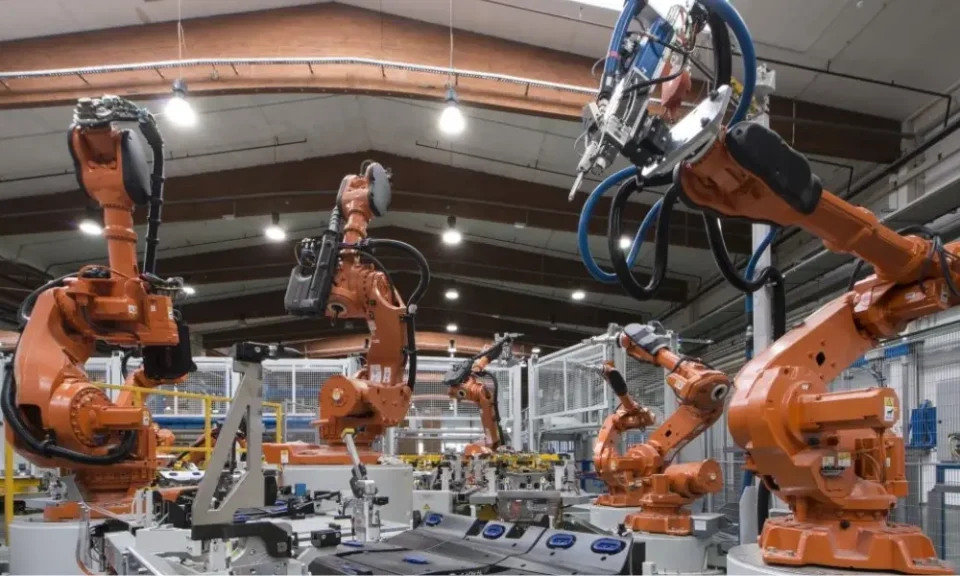
High volume distribution centers face constant pressure to ship orders quickly and accurately. As demand increases, manual processes alone often struggle to maintain the speed required to meet customer expectations. Robotics has emerged as a key factor in improving throughput, creating more efficient workflows and reducing delays that stem from labor shortages, long travel paths, and repetitive tasks.
One reason robotics improves throughput is the reduction of nonproductive movement. In many facilities, employees spend a large portion of their time walking between storage locations, pick stations, and packing lines. Autonomous mobile robots can take on this burden, moving products between work zones and freeing employees to focus on value driven tasks. When these robots are supported by systems integration solutions, product routing becomes more coordinated and predictable.
Robotic picking systems also contribute significantly to higher throughput. These machines can handle repetitive picking tasks with consistent accuracy, even during long shifts. By reducing picking errors and maintaining steady performance, robots help maintain order flow and support predictable ship times. Facilities benefit from fewer bottlenecks and more stable processing across peak and off peak periods.
Sorting operations gain a noticeable boost from robotics as well. Automated sortation equipment can direct products to the correct lanes at high speed, ensuring that orders reach the right shipping zones without manual intervention. This reduces congestion in busy areas and helps maintain balanced workloads across packing stations.
Another advantage is the ability to operate continuously. Robots do not require breaks and can work extended hours during high demand cycles. This supports more throughput without the need for additional labor and helps distribution centers maintain performance even when staffing levels fluctuate. The consistent pace provided by robots stabilizes overall operation flow.
Accuracy improvements also contribute to faster throughput. Misplaced items, incorrect picks, or labeling errors can slow shipping schedules. Robotics paired with barcode scanning and verification systems reduce these mistakes. When errors decline, rework time drops and outbound processes remain on schedule.
Safety enhancements further support efficiency. Heavy lifting, repetitive tasks, and high traffic areas can slow workers and increase injury risks. Robotic palletizers, lifts, and shuttles handle these tasks safely, preventing slowdowns caused by fatigue or safety incidents. A safer environment also reduces unscheduled downtime.
Inventory control gains importance as volumes grow. Robots equipped with sensors and scanning tools can track product movement with precision, helping managers maintain accurate inventory counts. Improved visibility supports better slotting and replenishment strategies, which in turn reduce the time pickers spend searching for products.
Scalability is another reason robotics plays a strong role in throughput improvement. Distribution centers often experience unpredictable demand spikes. Robots can be added or redeployed with minimal disruption, giving operations the flexibility to react quickly. This adaptability keeps order flow steady without requiring large hiring surges.
Packing and palletizing benefit from automation as well. Robotic arms can assemble boxes, place products, and build pallets with speed and consistency. By keeping downstream workstations well supplied, these systems reduce idle time and ensure that shipping areas stay productive.
Continuous data collection from robots enhances decision making. Performance metrics, travel paths, and cycle times all feed into management platforms. With this information, managers can identify bottlenecks, optimize routes, and adjust staffing or equipment placement. Systems integration connects this data with warehouse management and labor planning tools for more coordinated operations.
Ultimately, robotics accelerates throughput by bringing consistency, accuracy, and speed to high volume distribution centers. These systems complement human labor, taking on demanding tasks while allowing employees to focus on oversight, quality, and exception handling. Facilities that adopt robotics supported by strong systems integration solutions gain a reliable means of handling large order volumes while maintaining accuracy and reducing operational strain.
As distribution demands continue to rise, robotics offers a scalable and practical path forward. By improving flow in picking, sorting, transport, and packing, robots help high volume centers meet customer expectations and maintain competitive service levels.
