
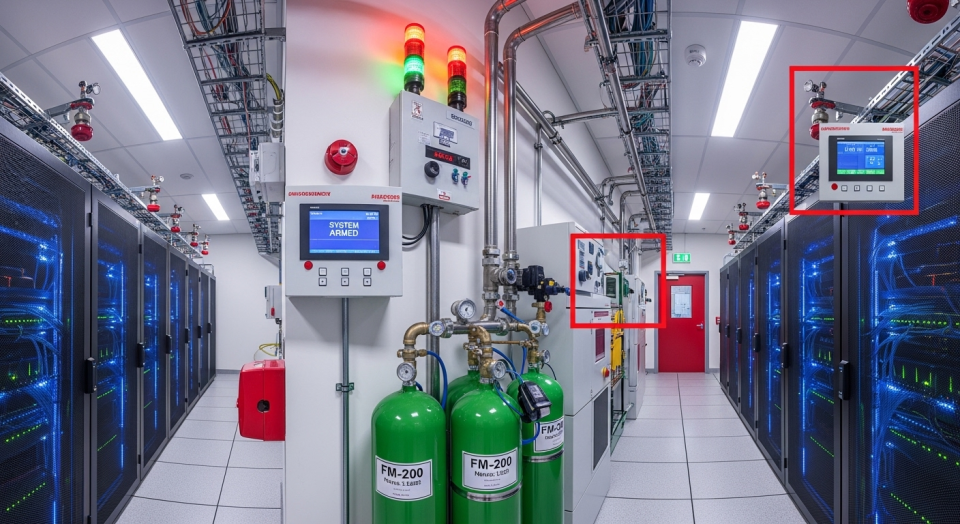
Buildings today require innovative measures that can safeguard people and property from unforeseen hazards. Fire prevention plays a vital part in strengthening these safety measures across structures. A strong structure not only depends on materials but also on the preventive systems designed within it. Passive protection methods work quietly yet effectively, ensuring safety even before threats occur. These systems, supported by fire prevention services wollongong, remain reliable for years, reducing risks while maintaining structural integrity. Their role extends far beyond compliance, forming the foundation of secure environments.
Smart Materials Integration
The adoption of smart materials improves building resistance against fire spread. These materials act as shields that react to temperature changes instantly. They form barriers that stop smoke and flames from traveling across rooms. Fire safety in such materials enhances both durability and structural stability.
Protective Wall Assemblies
Strong wall systems play a crucial part in blocking fire from spreading fast. Their layers are tested to handle pressure and heat efficiently. Builders prefer materials that retain their strength even under harsh exposure. Fire barriers within walls add long-term reliability and reduce repair needs.
- Durable panels maintain strength during extreme heat exposure
- Thermal barriers reduce heat transfer between building sections
- Reinforced joints prevent cracks during structural expansion
- Non-toxic materials reduce harmful gas formation
- Properly aligned layers increase the lifespan of safety partitions
Safe Structural Enclosures
Enclosures around essential systems protect cables, ducts, and frames from fire. They secure vital infrastructure and stop the temperature rise within the inner layers. Using certified boards in these enclosures ensures protection remains consistent. Partnering with fire prevention services wollongong further enhances safety standards and helps maintain long-term resilience in high-risk zones through reliable fire-rated coverings.
Proper enclosures are carefully fitted to handle heat efficiently. Their surfaces slow down smoke production and improve stability. The right materials lower repair costs and enhance overall protection. By following safety rules, every building gains stronger resilience.
Effective Compartment Design
Dividing interior sections into separate zones minimizes risk spread during a fire. These compartments act as internal shields, preventing heat from moving rapidly. Each section is built to seal smoke and slow down ignition transfer. Fire-resistant doors and floors strengthen this design for occupant safety.
- Compartment doors hold steady when exposed to intense heat
- Ceiling seals limit smoke between upper and lower areas
- Wall partitions prevent cross-room hazards efficiently
- Control joints maintain strong section boundaries under strain
- Floor barriers protect lower levels from upper section failures
Advanced Coating Solutions
Modern coatings serve as invisible shields that delay surface burning from fire. They expand upon heat contact, forming layers that resist direct flame. These coatings protect both appearance and strength during intense exposure. Architects rely on these materials to balance design with safety.
Applying such coatings increases resistance against environmental stress. Maintenance becomes easier since it requires limited renewal. Their use keeps buildings functional for longer durations. Proper testing ensures that each layer meets strict safety guidelines.
Safety measures must progress alongside modern construction methods. Builders should focus on design, material selection, and tested techniques that strengthen protective performance. Well-structured systems give occupants valuable time to react safely during threats. Reliable passive protection continues to safeguard buildings through dependable preventive care and efficient implementation.
