
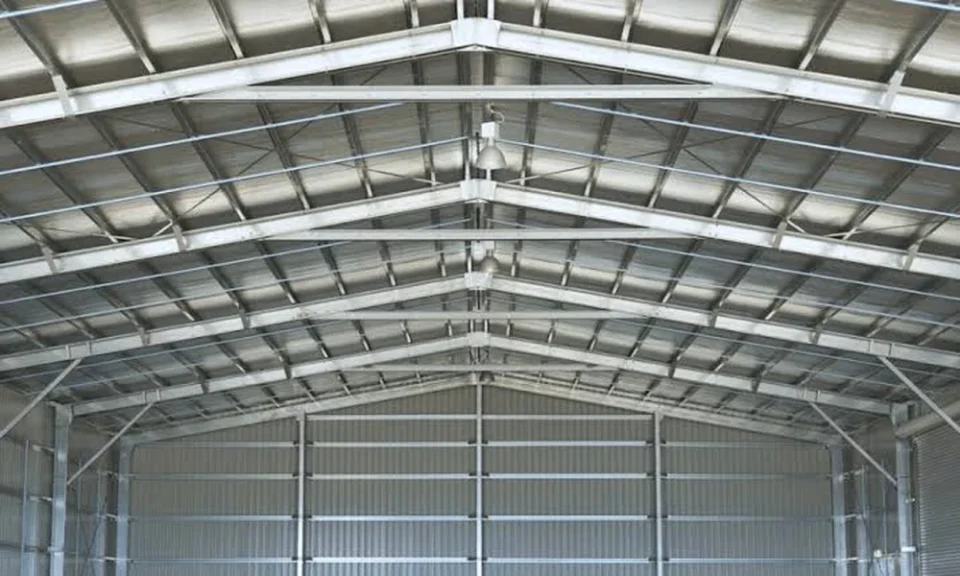
Whether it’s for machinery, stock, a workshop or a full warehouse, a shed is a big investment. Get it right and it’ll quietly do its job for decades. Get it wrong and you’re stuck with something too small, too weak for the weather, or held up waiting on approvals. If you’re looking at steel sheds Rockhampton builders can design and supply, a bit of planning upfront makes a big difference to how the project goes.
Start With What It’s For
It sounds obvious, but plenty of people size a shed before deciding exactly how they’ll use it. If it’s for a header or a big tractor, measure the tallest and widest machine first, then add room to manoeuvre. Storage is different. You’ll want to know where the racking goes and whether a forklift can turn around between rows. Workshops usually end up wanting more power points and light than anyone planned for.
Think about where you’ll be in five or ten years too. Adding a bay later usually costs more than building it in from the start.
Wind Ratings Matter
Australia’s building codes put every site into a wind class, and coastal and northern regions can face cyclone-strength winds. The frame, the bracing and the way the shed is tied down all need to match the wind rating for your exact location.
That’s why decent suppliers ask for your postcode early. A shed designed for a calm inland site isn’t necessarily safe on an exposed coastal block.
Why Steel Over Timber
Timber still has its uses, but steel has some clear advantages for sheds and warehouses. Termites don’t eat it. Steel also won’t rot or twist when the air turns muggy. It copes fine with long hot summers and heavy wet seasons, and a decent coating keeps rust away for years.
It’s also lighter than you’d expect for how strong it is. That means fewer people and smaller machines to get the frame up.
Pre-Engineered Frames Save Time
A lot of modern steel sheds use pre-engineered frames. The parts are designed, cut and punched in a factory to the exact measurements of your build, then delivered ready to put together. There’s no cutting or welding on site, fewer mistakes, and less waste.
When you’re comparing steel sheds Rockhampton suppliers, ask whether frames are made locally. Local manufacturing can mean shorter lead times, easier changes and quicker answers if something comes up.
Paperwork Before Pouring Concrete
Before anything goes in the ground, you’ll almost certainly need sign-off, especially for a commercial shed. Expect an engineer’s certificate, a building approval, and someone checking boundary distances, fire safety and how vehicles get in and out. Getting this sorted early stops delays later.
A supplier that handles design and engineering in-house, and works to recognised quality and safety standards, can make this part a lot smoother.
Who Puts It Up?
You’ve usually got a few choices. You can hand the whole thing over to one company, which designs it, makes it, trucks it out and builds it. Or you can just buy the kit, with drawings and a phone number for help, and get your own builder in. Smaller sheds sometimes come as kits a capable owner can put up themselves.
Cheapest isn’t always best here. Think about how much time you have, and how much could go wrong if you do it yourself.
Timing
Size, design and approvals all affect this. For a standard commercial shed, eight to fourteen weeks from signing off the design to finishing is a fair guess. Factory-made frames save time on site, but approvals and getting the ground ready can drag, so leave some slack.
Before You Ask for a Price
Gather a few things first: where the site is, including the postcode, roughly how big you’re thinking, what the shed’s for, and any drawings, even rough sketches on paper. The more you hand over, the fewer surprises when the final bill turns up.
