

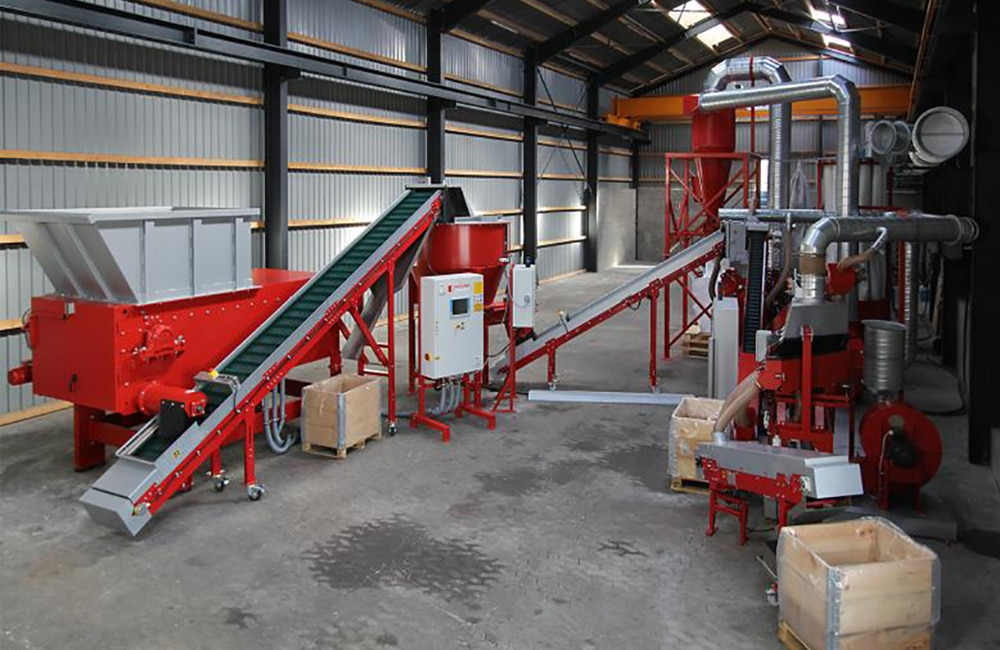
Recycling has become an important part of modern life as people look for ways to reduce waste and protect the environment. Among many types of recycling, cable recycling is gaining attention because electronic waste, including old cables and wires, can be harmful if not handled properly. Cable recycling machines make this process safer, faster, and more efficient, allowing individuals and businesses to recycle cables without exposing themselves or the environment to danger.
Understanding Cable Recycling
Cable recycling involves the separation of different materials in cables, such as copper, aluminum, and plastic insulation. Traditionally, this process required manual labor and could be dangerous due to the risk of exposure to chemicals, sharp wires, or electric hazards. Cable recycling machines automate much of this work, making it safer for operators. These machines are designed to shred, strip, and separate the materials efficiently, ensuring that valuable metals can be reused while plastic and other non-metal parts are properly processed.
Safety Benefits of Using Cable Recycling Machines
One of the most important advantages of cable recycling machines is safety. Handling old or damaged cables manually can be risky because wires may be frayed, sharp, or contaminated. Cable recycling machines reduce direct contact with hazardous materials by performing the stripping and separating processes automatically. This minimizes the risk of injury and protects workers from potential health hazards, such as toxic fumes from burning or melting plastics. Using machines also ensures that recycling can happen in a controlled and clean environment, reducing environmental contamination.
Efficiency in Recycling Processes
Cable recycling machines are designed for speed and efficiency. Manual cable recycling can be time-consuming and labor-intensive, often taking hours to process even a small batch of cables. With machines, large volumes of cables can be processed in a shorter time. The shredding and separation mechanisms quickly remove metals from insulation, allowing recyclers to collect pure copper or aluminum without extensive manual work. This efficiency not only saves time but also increases productivity for recycling businesses or individuals who frequently deal with electronic waste.
Environmental Advantages
Proper cable recycling using machines also benefits the environment. By separating metals from plastic insulation, these machines help ensure that valuable materials are reused rather than wasted. Recycling metals reduces the need for mining, which can be environmentally destructive, and prevents harmful materials from ending up in landfills. Additionally, cable recycling machines are designed to reduce emissions and avoid burning plastics, which can release toxic gases. This makes the process safer not just for workers, but for the planet as well.
Economic Benefits of Cable Recycling
Cable recycling machines can also provide economic advantages. Extracted metals like copper and aluminum have high resale value, which can make recycling a profitable venture. Efficient machines reduce labor costs, increase output, and allow operators to handle larger quantities of cable waste, leading to better returns on investment. Even for small-scale users, investing in a cable recycling machine can be a long-term cost-saving strategy while contributing to sustainable practices.
Choosing the Right Cable Recycling Machine
Selecting the right cable recycling machine is important for achieving both safety and efficiency. Factors to consider include the types of cables to be recycled, machine capacity, ease of operation, and safety features. Some machines are designed for industrial-scale use, while others are suitable for small workshops or home-based recycling. Ensuring that the machine has proper safety certifications and maintenance support is also essential for smooth and reliable operation.
Conclusion
Cable recycling machines play a critical role in modern recycling efforts by making the process safer, faster, and more efficient. They protect workers from hazards, reduce environmental impact, and provide economic benefits by efficiently recovering valuable metals. By choosing the right machine and using it responsibly, individuals and businesses can participate in effective cable recycling, contributing to a cleaner environment and a sustainable future. Safe and efficient cable recycling is no longer a challenge, thanks to the innovation of these machines.
You may also like
-
Which fragrance ingredients create the longest-lasting scents?
-
A Beginner’s Guide to Safe and Effective Excavation and Drainage Services
-
What Does a Zoho Implementation Partner Do? A Complete Guide for Business Owners
-
How to Minimize Living Trust Fees in Nevada Without Sacrificing Protection
-
What benefits come from renting snapchat agency accounts?