

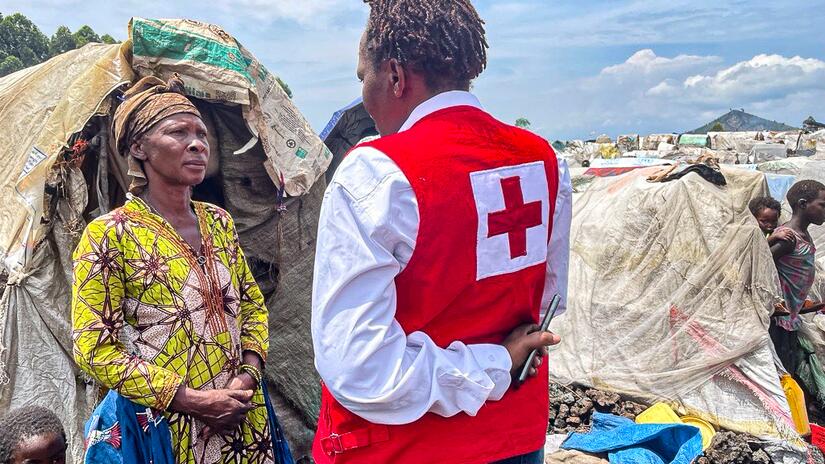
The Democratic Republic of the Congo (DRC) is one of Africa’s most resource-rich nations, offering immense potential for international investors in sectors such as mining, energy, telecommunications, and infrastructure. However, expanding into the DRC presents challenges related to labor laws, compliance, and administrative processes. Partnering with an EOR Democratic Republic of Congo provider enables companies to legally hire and manage employees without establishing a local legal entity. This model simplifies market entry, reduces risk, and ensures compliance with Congolese employment regulations.
Understanding the Employer of Record (EOR) Model
An Employer of Record (EOR) is a third-party organization that legally employs workers on behalf of another company. While the client organization directs day-to-day activities and manages performance, the EOR handles all employment-related legalities and administrative functions.
An EOR typically manages:
- Drafting compliant employment contracts
- Payroll processing and statutory deductions
- Employee benefits and tax administration
- Work permit and visa processing for expatriates
- Termination procedures and legal compliance
This model allows foreign organizations to expand operations in the DRC efficiently, avoiding the complexity of entity registration, payroll setup, and ongoing legal obligations.
The Strategic Importance of Expanding into the DRC
The Democratic Republic of the Congo is one of the largest economies in Central Africa, with abundant natural resources and strategic geographic positioning. Its mining industry, fertile agricultural land, and emerging infrastructure make it a vital gateway for regional trade.
Key drivers attracting investment include:
- Mineral wealth:The DRC is the world’s largest producer of cobalt and a significant source of copper, gold, and diamonds.
- Energy potential:With the Congo River’s hydroelectric capacity, the DRC holds nearly half of Africa’s hydropower potential.
- Agricultural opportunities:Over 80 million hectares of arable land make agriculture a key growth sector.
- Infrastructure modernization:Roads, telecommunications, and energy projects are being prioritized through public-private partnerships.
- Population growth:With over 100 million people, the DRC offers a large and youthful labor force, fueling workforce availability.
Despite these opportunities, challenges such as bureaucratic procedures, tax complexity, and varying regional labor practices can hinder expansion. An EOR helps navigate these hurdles by ensuring compliance and efficient workforce management from the outset.
Employment Law in the Democratic Republic of the Congo
Employment relationships in the DRC are governed by the Labor Code (Law No. 015-2002 of 16 October 2002) and related decrees. The law sets clear standards for employment contracts, working conditions, compensation, and employee rights.
Key provisions include:
- Employment contracts:Must be written in French and include details on position, salary, and duration. Fixed-term contracts cannot exceed 24 months.
- Working hours:The legal workweek is 45 hours, typically distributed across six days. Overtime is permitted with statutory pay adjustments.
- Probation period:Up to six months for managerial roles and three months for non-managerial positions.
- Annual leave:Employees are entitled to 26 working days of paid leaveafter one year of service.
- Public holidays:The DRC observes around 12 public holidays
- Termination:Requires valid justification and adherence to notice periods (ranging from 8 to 28 days depending on tenure). Severance pay applies in most cases.
- Social security:Employers and employees must register with the Institut National de Sécurité Sociale (INSS), which manages pension, maternity, and occupational injury benefits.
Complying with these legal obligations can be complex, particularly for foreign entities unfamiliar with local regulations. An EOR ensures that all contracts, payroll, and HR processes fully comply with Congolese labor laws.
Payroll and Tax Compliance in the DRC
Payroll administration in the Democratic Republic of the Congo involves managing income tax, social security contributions, and mandatory benefits, each governed by specific laws.
Payroll structure overview:
- Personal Income Tax (PIT):Progressive rates range from 3% to 30%, depending on income levels.
- Social contributions:
- Employer contribution: 5%of the gross salary to INSS.
- Employee contribution: 5%of the gross salary.
- Payroll currency:Salaries are typically paid in Congolese franc (CDF), though some expatriate agreements may use foreign currencies (USD or EUR).
- Mandatory benefits:Include health coverage, family allowances, maternity leave (14 weeks), and occupational risk insurance.
- Reporting obligations:Monthly tax filings and social declarations must be submitted to both the INSS and the General Tax Directorate (DGI).
For multinational companies, managing payroll and compliance can be time-intensive. EOR partners streamline these processes, ensuring all withholdings, declarations, and payments are accurate and timely.
Advantages of Using an EOR in the DRC
Partnering with an EOR in the Democratic Republic of the Congo offers significant operational and strategic benefits.
- Fast and Compliant Market Entry
Entity registration in the DRC can take months, involving multiple government departments. EORs allow companies to hire local employees immediately, ensuring speed and compliance. - Full Legal and Tax Compliance
EORs continuously monitor changes in local labor and tax legislation, ensuring that contracts, payroll, and employee benefits remain compliant. - Cost Efficiency
Setting up a local subsidiary can be costly and resource-intensive. An EOR eliminates the need for physical offices, accounting infrastructure, and in-house HR administration. - Simplified HR and Payroll Management
All HR functions—from onboarding and benefits management to payroll processing—are centralized under one provider, improving efficiency and transparency. - Risk Mitigation
The EOR acts as the legal employer, protecting the client company from potential liabilities related to labor disputes, tax errors, or misclassification. - Scalable Workforce Solutions
Businesses can quickly scale their workforce up or down based on project demands without the administrative burden of local entity management. - Support for Local and Expatriate Workers
EORs manage work permit applications, visa renewals, and local registration for expatriate staff, ensuring full compliance with DRC immigration laws.
EOR vs. PEO: Choosing the Right Employment Model
While Employer of Record (EOR) and Professional Employer Organization (PEO) services both support international workforce management, their structures differ.
- EOR (Employer of Record):The EOR becomes the legal employer of record, handling all HR and compliance matters on behalf of a company without a local entity.
- PEO (Professional Employer Organization):Operates under a co-employment model, requiring the client company to have a registered local entity.
For companies entering the DRC for the first time, the EOR model offers the most practical, compliant, and cost-effective solution.
Industries Leveraging EOR Services in the DRC
EOR solutions are increasingly adopted by organizations in high-growth and infrastructure-driven industries where agility and compliance are critical.
Key industries include:
- Mining and Energy:International mining and oil companies rely on EORs to manage large-scale local and expatriate teams.
- Construction and Infrastructure:EORs enable project-based workforce deployment across regions.
- Telecommunications and ICT:Rapid digital growth fuels demand for skilled local talent managed under compliant employment structures.
- NGOs and Development Agencies:Non-governmental organizations leverage EOR services to hire local professionals while ensuring transparency and compliance.
- Agriculture:EORs support seasonal hiring and workforce management for agri-based enterprises expanding in rural areas.
Selecting the Right EOR Partner in the DRC
Choosing a reliable EOR partner is vital to ensuring operational success and compliance integrity. When evaluating providers, organizations should consider:
- Proven experience with Congolese labor and taxframeworks
- In-country representation and government partnerships
- Transparent pricing models and service-level agreements
- Ability to manage both local and expatriate employees
- Scalable HR and payroll technology infrastructure
A trusted EOR partner becomes an extension of the client’s HR and legal departments, ensuring seamless operations and long-term sustainability.
Conclusion
The Democratic Republic of the Congo offers vast opportunities for businesses ready to engage in Africa’s evolving economic landscape. Yet, navigating its complex legal and regulatory environment can be a challenge for foreign employers. Partnering with an EOR Democratic Republic of Congo provider enables organizations to hire and manage teams efficiently while maintaining full compliance with local labor, payroll, and tax laws. By simplifying workforce expansion and minimizing legal exposure, EOR services provide the operational stability and flexibility needed to succeed in one of Africa’s most dynamic markets.
You may also like
-
Which fragrance ingredients create the longest-lasting scents?
-
A Beginner’s Guide to Safe and Effective Excavation and Drainage Services
-
What Does a Zoho Implementation Partner Do? A Complete Guide for Business Owners
-
How to Minimize Living Trust Fees in Nevada Without Sacrificing Protection
-
What benefits come from renting snapchat agency accounts?