

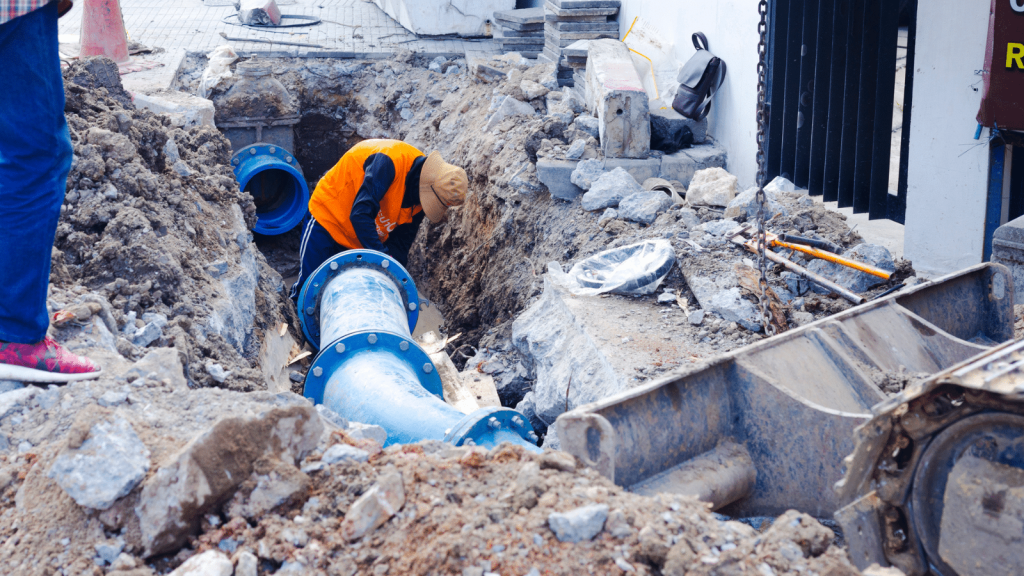
Excavation and drainage work often marks the beginning of major property projects, but one wrong move can quickly turn an upgrade into a costly disaster. Whether you are planning a basement, a new foundation, or simply want to prevent water pooling after heavy rain, understanding the fundamentals of safe and effective excavation and drainage is critical, not only for your investment, but for the safety of everyone involved.
Why Safe and Effective Excavation and Drainage Matter
Imagine digging in your backyard, only to hit an unknown utility line or cause runoff that floods the neighbor’s property. These are more than just headaches; they are accidents waiting to happen. Excavation mishaps can result in damaged water pipes, shaky foundations, or soil instability. Poor drainage can lead to mold, erosion, and even structural failure. The risks are real, but with careful planning and professional help, they are entirely preventable.
Common Risks and Challenges in Excavation
Every excavation project exposes you to hidden hazards. Underground services, uneven terrain, and unstable soil all add layers of complexity. In tight spaces, like beneath sun decks or between buildings, precision is non-negotiable. One overlooked gas line or a machine out of control could spell disaster. It is not just the earth that gets moved; it is the margin for error.
Consequences of Poor Excavation and Drainage Practices
Cutting corners rarely pays off. Improper excavation can compromise the structural integrity of your home, damage landscaping, and dramatically increase repair costs. Drainage mistakes mean water in all the wrong places: basements, crawl spaces, or pooled on the lawn, inviting mold and long-term decay. These issues might not surface immediately but can haunt homeowners years down the line.
How Proper Planning Mitigates Property Damage and Safety Hazards
Preparation is the antidote to disaster. A professional team will map out underground utilities, assess soil conditions, and create a strategy tailored to your property’s unique layout. Barriers and controlled entry points are set up to protect people and structures. By addressing drainage at the start, you can prevent water problems before the first shovel hits the dirt.
Understanding Excavation: The Basics and Beyond
At its core, excavation is simply moving earth. In practice, it is an intricate process customized for each site and purpose.
Types of Excavation Services and Their Applications
Not all earthmoving is created equal. Some of the most common excavation services include:
– Site and Foundation Excavating: Preparing the ground for new construction, ensuring it is stable and level.
– Grading and Leveling: Creating even surfaces for landscaping or building.
– Trenching: Digging narrow, deep channels for drainage, utilities, or foundations.
– Basement Excavation: Removing large volumes of earth under an existing structure.
– Material Removal: Clearing away old concrete, soil, or debris.
Each type demands specific expertise and equipment, especially when access is limited or obstacles abound.
Specialized Equipment for Confined and Complex Spaces
Modern excavation is all about precision. Compact machines, like those used by Ibex Bins, can squeeze into basements, under decks, or between homes. This equipment minimizes property disruption and allows for careful work in places traditional machinery cannot reach. Smaller machines are ideal for residential jobs, reducing the risk of damaging existing structures or landscaping.
The Role of Professional Excavation Contractors
A seasoned contractor does much more than operate machinery. They bring knowledge of soil behavior, drainage patterns, and local regulations. Their planning ensures that the work is safe, efficient, and fully compliant. When you hire professionals, you gain peace of mind that your project will run smoothly from start to finish.
Drainage Solutions: Preventing Water Damage Before It Starts
Water is a home’s silent enemy. Effective drainage is not a nice-to-have; it is a necessity for long-term property health.
Identifying Drainage Problems on Your Property
Early warning signs are often subtle: water pooling after rain, muddy patches, foundation cracks, or persistent damp in the basement. Ignoring them can allow minor issues to escalate into costly repairs. If your property regularly experiences standing water or musty odors indoors, it is time to act.
Effective Drainage Techniques and Systems
Solutions range from simple to complex, depending on the scale and source of the problem:
– French Drains: Gravel-filled trenches that redirect surface water away from structures.
– Surface Grading: Shaping the landscape to slope away from buildings, guiding water to safe outlets.
– Sump Pumps: Mechanical pumps installed in basements to collect and remove water.
– Downspout Extensions: Carrying roof runoff away from the foundation.
Integrating these techniques during excavation ensures that water flows where you want it, not where it can do damage.
Integrating Drainage with Excavation Projects
Excavation and drainage planning go hand in hand. By addressing both together, you reduce the risk of water issues emerging later. Professional contractors, such as those offering Ibex drainage services, can assess your site and recommend the right blend of excavation and drainage solutions to match your goals and site conditions.
Preparing Your Site for Excavation and Drainage Work
Every successful project begins with groundwork, and that means more than moving dirt.
Assessing Site Conditions and Restrictions
Before digging, it is essential to survey the area for potential obstacles: utility lines, tree roots, neighboring structures, and existing drainage systems. Soil tests may be necessary to determine stability, especially for foundations or basements.
Permits, Regulations, and Environmental Considerations
Most excavation work requires local permits. Failing to obtain them can halt a project and lead to heavy fines. Regulations may dictate how deep you can dig, what you do with excavated material, and how you protect natural habitats. Environmental impact assessments ensure your project does not unwittingly cause harm or violate bylaws.
Communicating with Your Excavation Team
Clear communication is vital. Share your goals, timeline, and any concerns with your contractor before work begins. A professional team will keep you engaged through every phase, providing updates and addressing any unforeseen challenges that arise.
Executing Excavation and Drainage Safely and Efficiently
Once the plan is set, the real work begins, but it must be done with care.
Step-by-Step Excavation Process
1. Site Preparation: Marking boundaries and setting up safety barriers.
2. Utility Location: Confirming all lines and pipes are identified and marked.
3. Excavation: Removing soil or materials as per the engineered plan.
4. Drainage Installation: Placing necessary pipes, drains, or systems.
5. Inspection: Ensuring everything meets code and works as intended.
Managing Dust, Debris, and Noise
Excavation is inherently messy, but professionals minimize impact. Dust control methods, debris containment, and noise reduction strategies keep both the worksite and the surrounding community comfortable.
Ensuring Structural Integrity of Surrounding Areas
Careful excavation preserves the stability of nearby buildings, walls, and trees. This is where experience truly matters: proper shoring, gradual soil removal, and strategic equipment use prevent unintended collapses or damage.
Post-Excavation: Restoration and Maintenance
Digging is only half the story; restoration completes the project.
Backfilling and Landscape Restoration Best Practices
After pipes are laid or foundations poured, the site must be backfilled with suitable material and compacted for stability. Landscaping is then restored, often to its original appearance or better. The best teams leave your yard looking untouched, with no trace of the heavy lifting beneath the surface.
Routine Maintenance to Sustain Drainage Effectiveness
Even the best drainage systems need occasional maintenance. Clear debris from surface drains, test sump pumps regularly, and inspect the site after heavy rains. Preventative care ensures long-term peace of mind.
When to Schedule Follow-Up Inspections
Set reminders to have your system checked annually or after major weather events. Early detection of minor issues prevents larger headaches.
Choosing the Right Excavation and Drainage Service Provider
The contractor you choose can make or break your project.
Key Qualities of Reliable Contractors
– Proper licensing and insurance
– Experience with similar projects
– Modern, well-maintained equipment
– Solid local reputation
Questions to Ask Before Hiring
– How will you protect existing structures and landscaping?
– What equipment will you use on my site?
– Can you provide references from previous clients?
– What is your timeline and availability?
Leveraging Local Expertise: Why Location Matters
Local contractors know the climate, soil types, and permitting processes unique to your area. Their experience with nearby projects means fewer surprises and a smoother workflow.
Taking Action: Planning Your Excavation and Drainage Project
Ready to move forward? Preparation is key.
Preparing Your Property and Budget
Gather information about your site: surveys, utility maps, and photos of problem areas. Clarify your budget and be honest about your priorities. A reputable contractor will suggest solutions tailored to your needs, not their convenience.
Scheduling and Timeline Considerations
Work with your contractor to establish a realistic schedule. Weather, site complexity, and permit approvals all affect timelines. Plan ahead, especially if your project is time-sensitive.
How to Get a Free Estimate and What to Expect from the Process
Many local companies offer free site visits and estimates. Expect a walk-through of your property, detailed questions about your goals, and a written cost proposal. Use this opportunity to gauge the contractor’s professionalism and clarity.
Safe and effective excavation and drainage is a blend of science, experience, and care. By understanding the process and partnering with skilled professionals, you ensure your project delivers lasting peace of mind, not unexpected trouble.
You may also like
-
Which fragrance ingredients create the longest-lasting scents?
-
What Does a Zoho Implementation Partner Do? A Complete Guide for Business Owners
-
How to Minimize Living Trust Fees in Nevada Without Sacrificing Protection
-
What benefits come from renting snapchat agency accounts?
-
Enhancing Building Safety through Advanced Passive Fire Protection Solutions